
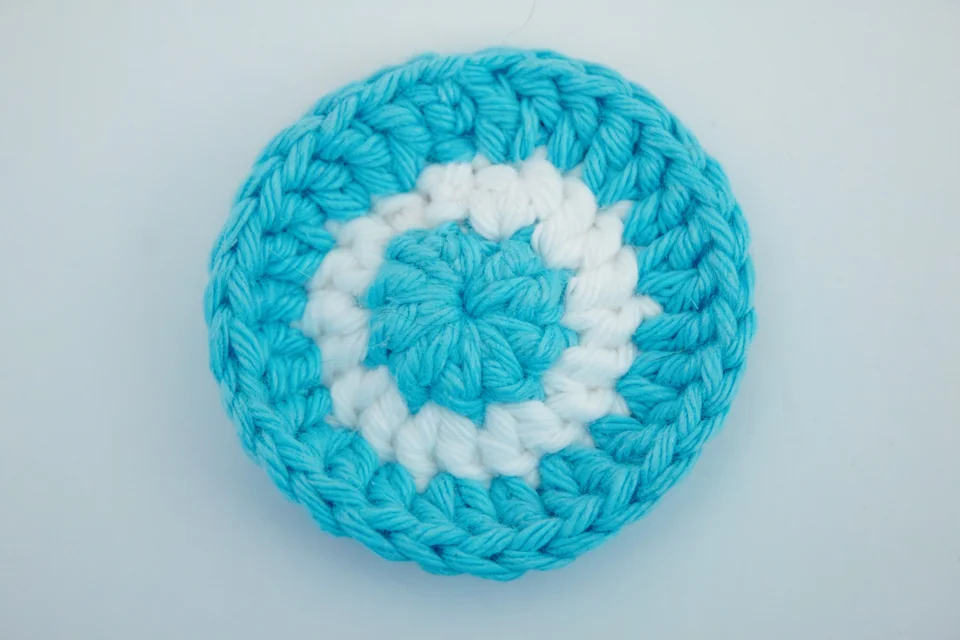
About This Generator
The Crochet Coaster Set Generator builds counted spiral disks, back-loop panels, six-corner hexagons, daisy mats, shell mandalas and defined mixed collections. Each construction retains its own actual foundation, insertion sources, joins and finish. Use it to compare table-piece structures, organize matched copies or study how different recipes contribute to a set. The original circular mode remains available for older saved projects. A design name selects a supported construction; it does not certify physical size, flatness or heat resistance.
How to Use This Generator
Choose Set construction first. Working rounds controls round motifs within that construction's displayed limits. The rectangular width and length fields control back-loop panels, which use rows rather than rounds. Copies controls repeated pieces in single-recipe modes; cup-and-pot makes that many cup disks plus one larger table mat. Seasonal fixes four different pieces, while six-piece fixes three pairs. Choose enabled yarn roles, select US or UK terms and Generate. Read every component heading before interpreting the combined workload.
Use Beginner View for the main progression and Advanced View for individual round counts and insertion relationships. The chart is a construction aid, not a photograph of washed fabric. Save project preserves a browser-local working copy; export JSON for a portable record of the quantity, round count, and colors. Export SVG or Print if you want to tick off each finished coaster away from the screen. Record completed copies separately, since the generator cannot know which pieces you have physically made.
Understanding the Crochet Pattern
The baseline begins with six sc in a magic ring and adds six stitches per expansion round. The first round's lifting chain does not count as one of those six stitches. Work continuously in a spiral, moving the first-stitch marker instead of joining with a slip stitch after each round. A printed round boundary separates counting instructions; it does not introduce a new seam or a turning action.
On the next round, every stitch increases to create twelve. Later rounds spread the same six increases among longer groups of plain stitches. The widest round after r rounds therefore has six times r stitches. The circle's actual diameter depends on yarn, hook, tension, and finishing. A mathematically balanced increase sequence is a starting point for a physical trial, not a guarantee that every fiber and stitch height lies equally flat.
How the Generator Works
The algorithm stores a separate source recipe for every distinct component and multiplies each recipe's summed outputs by its own copy quantity. A component's chain spaces and joins retain their stated counting convention; assembly references count finished pieces separately. Alternating-round spiral uses one active working loop and changes between yarn roles one and two at each round boundary. Citrus assigns a color to every output, including the two outputs of an increase. Neither option invents a second parked spiral arm. Save these exact source records with the project so an import can reject damaged instructions instead of silently discarding them.
Step-by-Step Worked Example
Choose Original circular set, three rounds per coaster and a quantity of six. For each separate piece, make a magic ring, chain one without counting it, and work six sc. Increase in every stitch for Round 2, giving twelve. In Round 3, repeat one sc and an increase six times, giving eighteen. One coaster contains thirty-six worked sc: six plus twelve plus eighteen. Six copies contain 216 worked sc before finishing tails. Tighten each ring, fasten off as instructed, weave in the ends, and finish all copies consistently. Check their actual diameters together before calling them a matched set.
Comparing Component Construction
A daisy mat uses selected trailing petal arches; its closing petal slip stitches are actual counted construction units. A six-corner hexagon keeps six chain-two spaces separate from double-crochet totals. A shell mandala uses fan insertion sources even when its round totals happen to match a hexagon. The flat panel starts from a chain and alternates direction with excluded turning chains. Never transfer one component's joining or counting convention to another simply because their diagrams share a page.
The mixed collections concatenate their recipes for reading while preserving local row and round labels. Their final set reference counts separate finished items rather than adding a new crochet circuit. Symbol Chart shows source connections and legends; Written Pattern supplies complete working order; Stitch Preview renders the corresponding loop structure as a schematic. Select a written step to locate its source row, then inspect the native-size SVG when the fitted preview is too small. Check all actual pieces after the same finishing method.
Download this worked example as JSON. Restore it in this generator to compare the actual counts and structure.
Practical Tips
Use a yarn whose care instructions suit the intended table use and test a finished sample with that use in mind. Do not assume that every fiber tolerates hot cookware merely because it forms a coaster. Use a removable marker for the first stitch, and count before moving it. Compare all pieces after the same washing and blocking method. Keep their centers and finishing tails tidy so a cup does not rest on an unexpected ridge.
Common Mistakes and Solutions
The circle ruffles or cups
An extra or missing increase, or a tension difference, may be responsible. Count the last correct round, compare the six increase locations, and remake the first incorrect round before adding more fabric.
A visible seam appears in the set
Joining may have been added to the spiral instructions. Inspect the boundary near the marker and remove undocumented joining stitches before comparing the surface.
The quantity setting seems not to enlarge the preview
Quantity means separate copies. Check the set-level workload and copy note; change Rounds only if you intend a larger circle rather than more coasters.
Second Reproducible Application
Use this comparison to check how one input changes the crochet coaster set generator output. Enter rounds = 4; quantity = 6. Keep any grid and color data from the downloadable worked example unchanged. Generate again and compare the result with the first example above. The resulting dimensions are 4 rounds; widest round 24 stitches. These depend on the entered block size, not a measured finished sample. This comparison was executed with the site's engine; it is a numerical construction check rather than a claim about physical gauge. Save both settings separately if you want to compare them later.
Related Tools and Guides
The Tools directory at /generators/ lists the available generators. Use the linked examples on this page to study the same construction with different inputs, and the Guides directory at /guides/ for supporting reading. Check terminology and measured gauge before combining output from different tools.
Frequently Asked Questions
Does changing quantity alter the round count?
No. It multiplies the number of separate pieces and total workload. Each piece retains the same generated construction.
Can I make six different shapes automatically?
The six-piece construction supplies two disks, two back-loop panels and two hexagons. Seasonal supplies four different recipes. These modes retain complete component instructions rather than recoloring one disk.
Is the final-round count the whole coaster workload?
No. It describes the outside round only. Sum all working rounds to count the piece, then multiply by the number of copies.
Do the colors determine equal yarn amounts?
No. Enabled yarn roles identify structural or colorwork use, not equal lengths. Measure actual consumption by role and budget tails separately.
Why does UK text use dc for this circle?
US single crochet is UK double crochet. The same short stitch and increase sequence remain; the name change does not turn the construction into US double crochet.